Healthy Kitchen Garden Soil: The Complete Guide for Denver Gardeners
If you garden in Denver (or anywhere along the Colorado Front Range), you already know we don’t get “easy mode” gardening. Our sun is intense, our weather is dramatic, and our native soil loves to lean alkaline.
So if your plants are acting cranky, growing slow, or just… giving you the cold shoulder… soil is usually where the story starts.
Today we’re digging into:
what soil actually is (and how it’s different from dirt)
the ideal raised bed soil blend for Denver gardeners
how to test for nutrients + pH (and what those numbers mean)
why soil temperature matters in Colorado spring
the sneaky issues that mess with water and roots (like hydrophobic soil + “texture interface”)
Let’s do this.
Watch the Youtube Video 👇
What Is Soil (and Why It’s Different from Dirt) for Colorado Gardeners
Here’s the simplest way to think about it:
Dirt is what you sweep up.
Soil is a living ecosystem that grows plants.
Healthy soil isn’t just “brown stuff.” It’s a mix of:
minerals (sand, silt, clay)
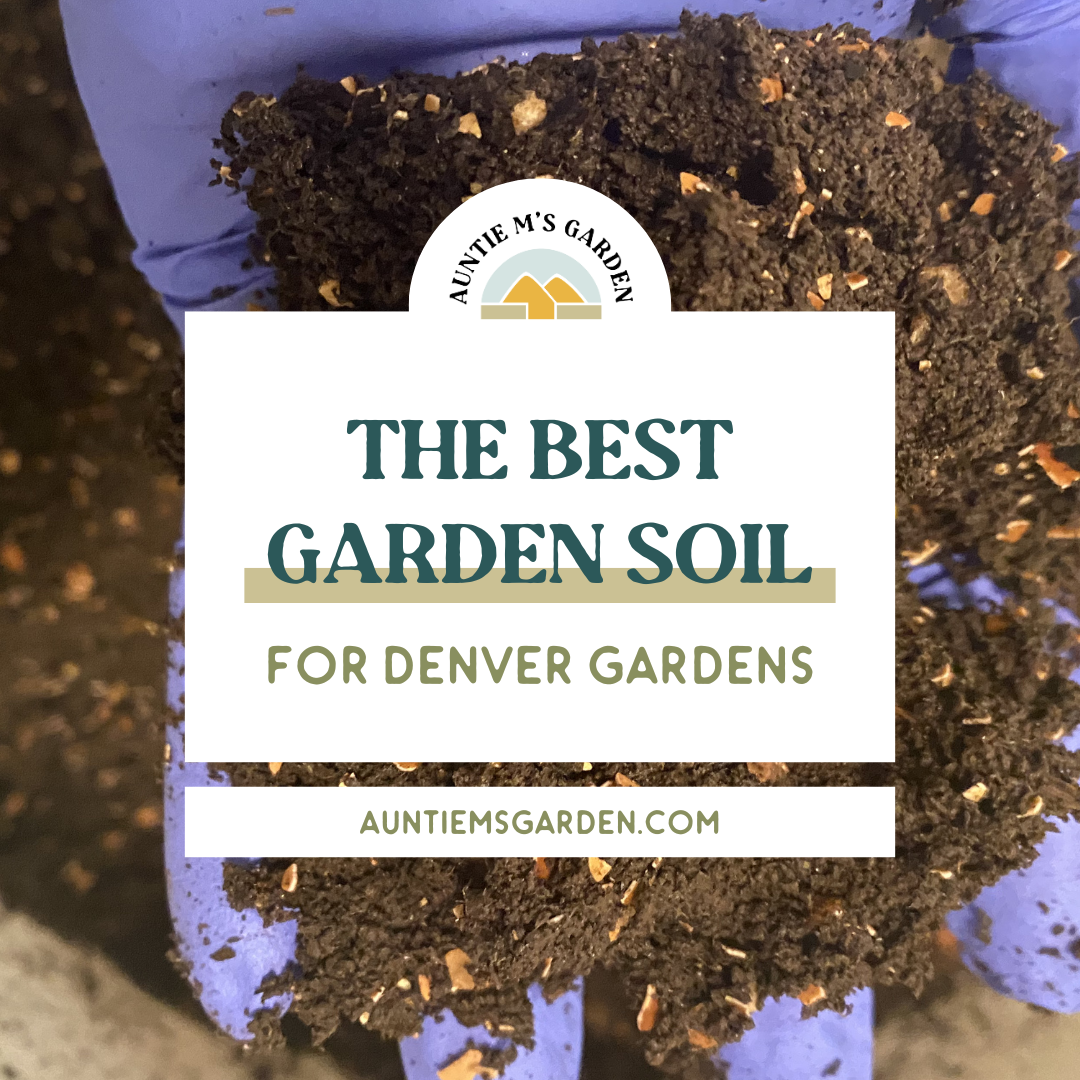
organic matter (like compost)
air + water space (aka pore space)
microbes doing the behind-the-scenes magic
In raised beds especially, your goal is to create soil that holds moisture without turning into a swamp, and drains well without drying out in five minutes.
Best Raised Bed Soil Mix for Denver Gardens: The 1-1-3 Blend
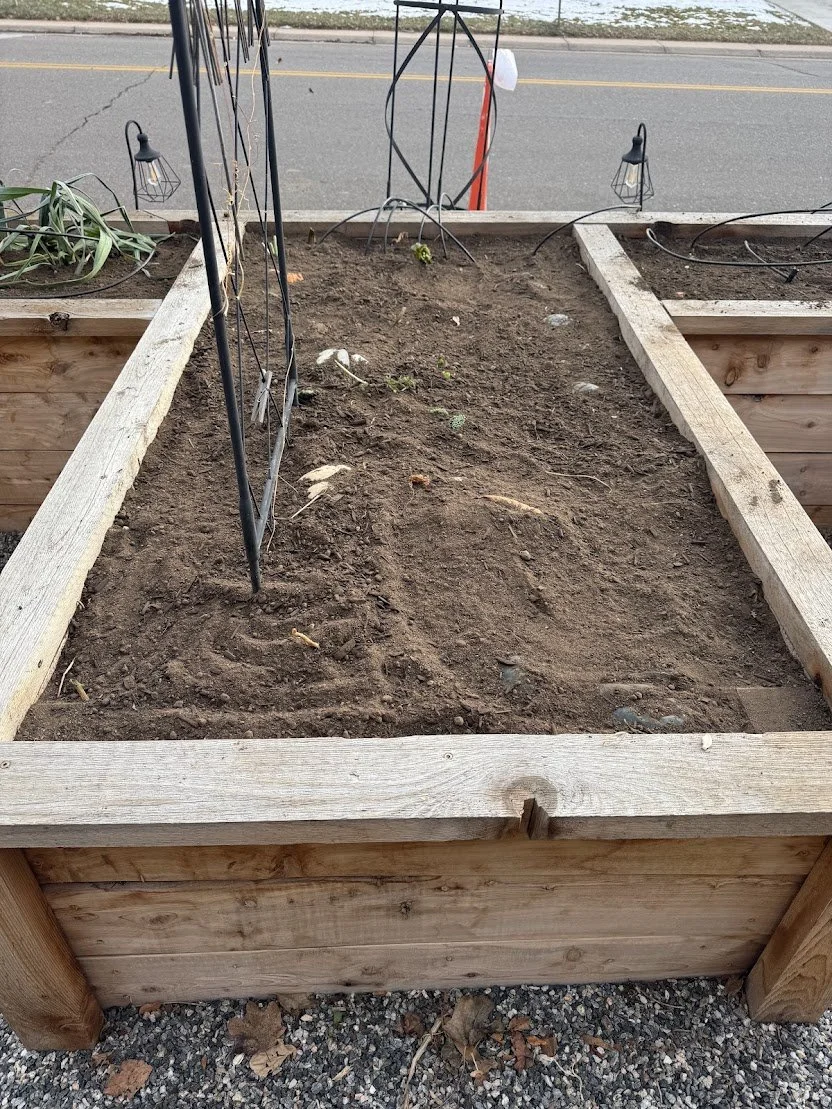
If you want a reliable starting point for raised beds in Denver, Auntie M’s go-to is the 1-1-3 blend:
The 1-1-3 Soil Blend for Colorado Raised Beds
1/3 topsoil
1/3 coarse sand
1/3 compost
plus an extra ~3% worm castings (Auntie M’s favorite fertilizer)
Topsoil + sand = minerals
Those mineral particles are what create structure and drainage.
Compost = the “food”
Organic matter is what feeds your soil and your plants over time.
Worm castings = the bonus round
They’re gentle, powerful, and ridiculously helpful for plant health.
Ideal Soil Texture Ratio for Denver & Front Range Gardeners
If we zoom out to the bigger goal, we’re aiming for a soil texture that looks like:
Colorado Garden Soil Texture:
Sand, Silt, and Clay Balance
~20% clay
~40% silt
~40% sand
That balance helps your soil:
drain properly
hold enough water for roots
stay loose enough for air (roots like oxygen too)
The 1-1-3 blend gets you close to that sweet spot—especially in raised beds where you’re building your soil from scratch.
Read Next: Raised Beds: Why they Work for Denver
How to Use Worm Castings in Raised Beds
Worm castings can be used in two super practical ways:
Option 1:
Mix Worm Castings into Soil When Building or Topping Off Beds
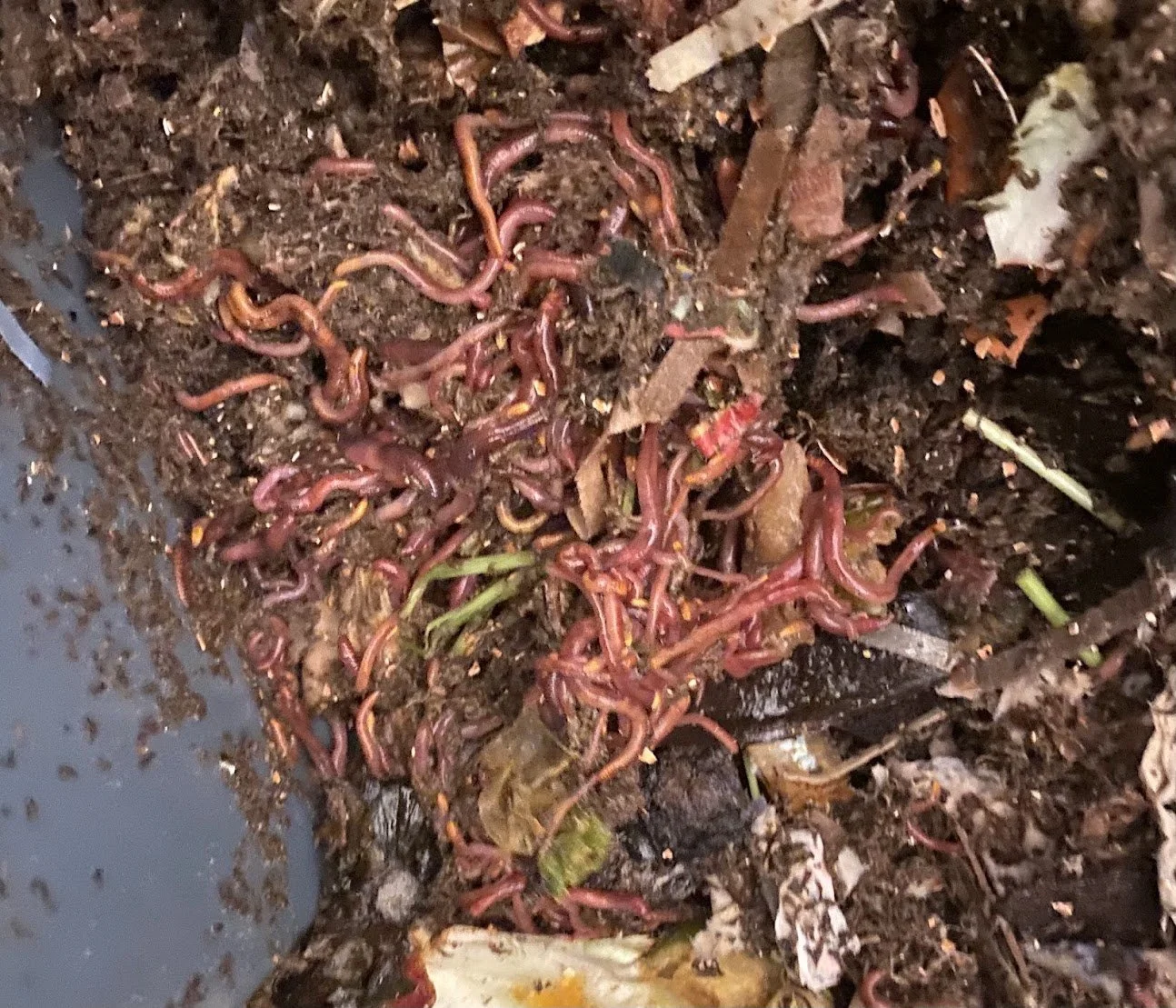
If you’re:
building a new raised bed
topping off beds in spring or fall
…mix the worm castings right into your soil blend.
Option 2:
Add Worm Castings in Planting Holes for Strong Root Growth
When transplanting:
drop a handful of worm castings into the bottom of the planting hole
Why? Because it places nutrients right where roots can find them, encouraging roots to grow down into the soil (instead of staying shallow and dramatic).
Soil Testing in Colorado Gardens: The Fastest Way to Stop Guessing
If your garden is struggling mid-season, the best first step is simple:
Do a Soil Test (Before You Throw Random Fertilizer at It)
A soil test helps you answer:
Are you actually missing nutrients?
Is the pH off?
Are you over-fertilizing without realizing it?
You can:
send a sample to an extension office (many offer mail-in testing)
use a rapid soil test kit at home for quick insight into the basics
We like to use a rapid kit that checks:
Nitrogen (N)
Phosphorus (P)
Potash / Potassium (K)
plus pH
When Denver Gardeners Should Upgrade to a Mail-In Soil Test
If your quick NPK test looks “fine” but things still aren’t right, that’s your cue to do a proper lab test. You may be missing micronutrients the basic kits don’t measure.
Colorado Soil pH: What Denver Gardeners Need to Know
Most garden plants prefer a fairly neutral soil pH:
6.5 to 7.5 works for most common crops
You can test pH with a meter (and it’s worth actually doing, because Colorado soils love to surprise people).
We recommend testing a bit deeper so you’re checking the root zone, not just the surface.
Growing Blueberries in Colorado: Why Pots Are Basically Required
Blueberries are the exception that proves the rule. Blueberries like it acidic:
around 4.5 to 5.5
But Colorado soil is generally very alkaline, which is why Auntie M grows blueberries in pots instead of in-ground.
If your blueberry pot soil tests too high, you can bring pH down with:
peat moss
acid-loving plant fertilizer (balanced for acid plants)
Example from the transcript:
One pot was reading 5.7 (totally workable)
Another was 6.5 (too high for blueberries), and would need adjusting once the soil wasn’t frozen
Soil Temperature for Denver Gardeners: When to Plant Seeds in Colorado Spring
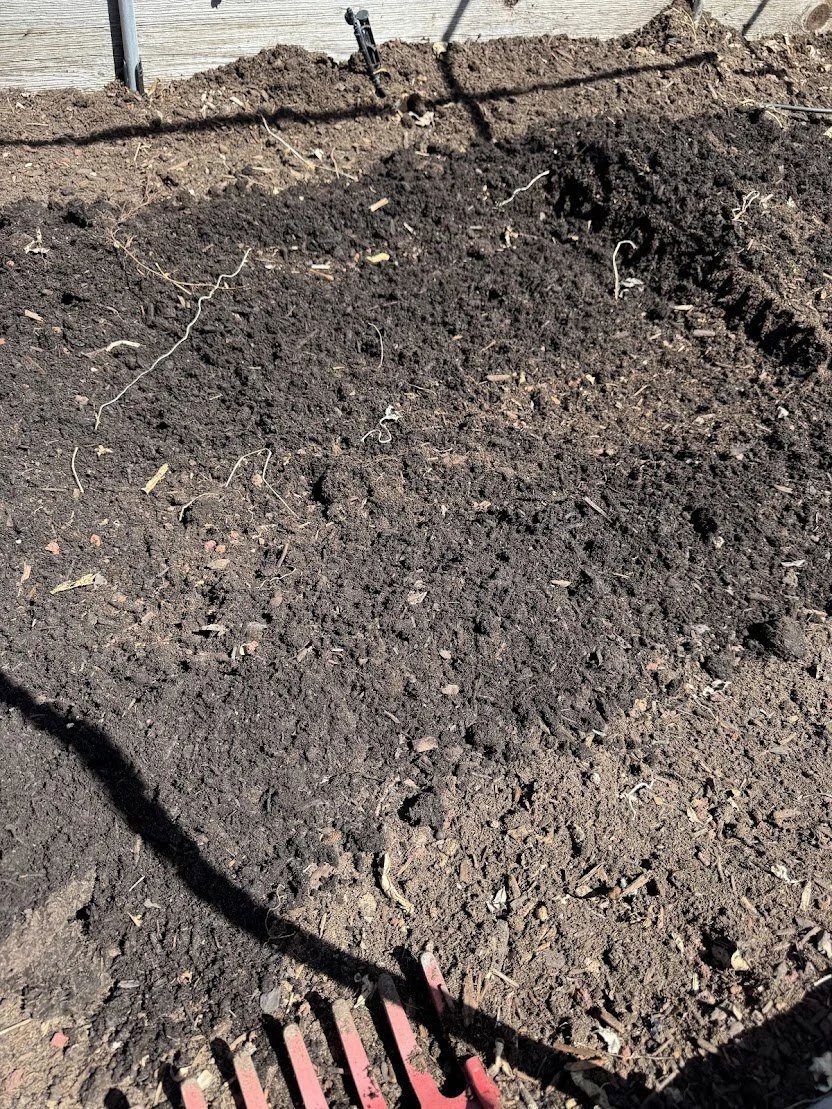
Here’s the deal: your seed packets aren’t lying. Seeds have an ideal germination temperature, and if your soil is too cold:
germination slows way down
seeds may rot before they sprout
you’ll stare at empty rows and question your life choices
Auntie M’s method:
Use a soil thermometer
Take readings early morning
Do it five days in a row
Use that as your average soil temp
Some seeds can germinate as low as 35°F (radishes are the big one), but most need warmer soil than that to thrive.
Avoiding “Texture Interface” in Denver Raised Beds (Yes, It’s a Thing)
This one is sneaky, and it matters.
What Is Texture Interface in Colorado Garden Soil?
If you dump compost or new soil on top and don’t mix it, you can create a texture interface—a boundary layer where water and roots hesitate to move between materials.
In plain English:
The soil says, “Ope, that’s different over there,” and water stops traveling the way it should.
How to Prevent Texture Interface
Any time you add compost, soil, or amendments:
mix it in
don’t leave a clear “layer” sitting on top
Auntie M specifically turns compost into the bed instead of top-dressing and walking away.
Topping Off Raised Beds in Denver: Compost + Soil Level Drop Explained
If your raised beds “shrink” over time, you’re not imagining it.
Why Raised Bed Soil Drops in Colorado Gardens
A few reasons:
pore space starts as mostly air (light), then fills with water (heavier)
soil compacts naturally over time
nutrients and organic matter are used by plants
you’re (hopefully) not stepping in your beds, but compaction still happens
Auntie M recommends:
2 to 4 inches of compost at the beginning or end of the growing season
mix it into the top ~2 inches
and if you still have space, top with another couple inches of compost
This brings soil level back up AND replenishes nutrients.
Hydrophobic Soil in Denver Raised Beds: Why Water Beads Up (and What to Do)
Ever water a bed and the water just sits there like it’s refusing to mingle? That’s often hydrophobic soil—super dry soil that repels water.
How to Fix Hydrophobic Soil in Colorado Gardens
Auntie M’s approach:
water slowly and lightly
mix as you go to help moisture penetrate
after beds are filled, give everything a good thorough watering so soil is evenly moist before planting
If you start with dry soil, your seeds won’t germinate as fast (or at all), because the moisture isn’t consistent where the seed is sitting.
Quick Soil Checklist for Denver Gardeners
If you want the “okay cool, what do I actually DO?” version, here you go:
Denver Raised Bed Soil Setup Checklist
Build a solid base soil using the 1-1-3 blend
Add ~3% worm castings
Mix amendments in to avoid texture interface
Test your soil if plants are struggling (NPK + pH at minimum)
Keep most crops around pH 6.5–7.5
Grow blueberries in pots and aim for pH 4.5–5.5
Measure soil temperature early morning for 5 days before direct sowing
If soil is bone dry and water won’t soak in: slow water + mix, then water well before planting
Give Your Garden the Best Start This Year!
Whether you’re starting from scratch or you’re a garden pro, let us support you in your garden this season. We’ve got something for everyone!
🌱 Want to learn exactly what to grow (and when) in Denver?
Check out our Denver Growing Guide for in-depth advice, planting tips, and planning strategies! Let’s start planning your best garden yet.
🌱 Need help designing a garden that works for YOU?
We offer consultations, custom garden and landscape designs, and maintenance packages. Sign up for a consultation today and let’s create a space that nurtures both your plants and your well-being.
Have questions or want to share your gardening success stories?
Drop a comment below, or reach out through our Contact Page!
Check out our free resources or services!

Save this Blog on Pinterest!


**This post may contain affiliate links, which means I earn a small profit if you click on the link to make a purchase. Other links are not sponsored, because I also like supporting small, local businesses.**

Meet the Gardener
I’m Elisa Mack - a mom and Denverite who went from being a green-ish thumb to a kitchen garden fanatic simply by dedicating myself to the study of all things Colorado gardening.
Landscapers don’t design. And nurseries don’t make house calls.
We take a more full-service approach, from designing your dream garden to keeping it beautiful year-round.
And as your coach, I’ll help eliminate the guesswork through every season, no matter your level of knowledge.