Water-Smart Gardening in Denver: How to Protect Your Garden (and Your Bill) This Season
By now you've probably seen the news: Denver Water is rolling out drought charges for 1.5 million customers this season. The more water you use, the higher your rate. And after the extremely dry winter we just came through, with fire risk already creeping into the conversation by April, this isn't really a surprise. It's a signal.
Here's the thing I want you to hear: if you have a kitchen garden or raised beds, you are already set up to use water more efficiently than most of your neighbors. You just have to use that advantage intentionally.
This post is going to walk you through exactly how to do that — from a quick sprinkler audit to smarter watering habits to what I do in my own Denver garden when the forecast stays dry.
Today we’re digging into:
Why this season is different (and why your garden habits need to catch up)
How to do a simple sprinkler audit before you turn anything on
The single most common watering mistake Denver gardeners make
Mulch, drip irrigation, and the other small shifts that make a big difference
How to water raised beds efficiently without guessing
Two soil issues that quietly waste water (and how to fix them)
Let’s do this.
Why This Denver Season Is Different
We came off one of the drier winters the Front Range has seen in recent years. Snowpack was low. Reservoirs didn't fill the way they typically do. And now we're heading into a summer where fire risk, water restrictions, and real drought conditions are all on the table.
Denver Water's drought surcharges are designed to discourage high water use by making it more expensive as you go. That's not a punishment. It's a nudge. And honestly, most Denver gardens (mine included) have room to water smarter without sacrificing a single harvest.
This is also the year to think beyond your garden bed. Water-smart gardening connects directly to fire risk, drought cycles, and the long-term health of our high-altitude, semi-arid region. The gardens that thrive here are built for these conditions, not despite them.
Step One: Do a Sprinkler Audit Before You Turn Anything On
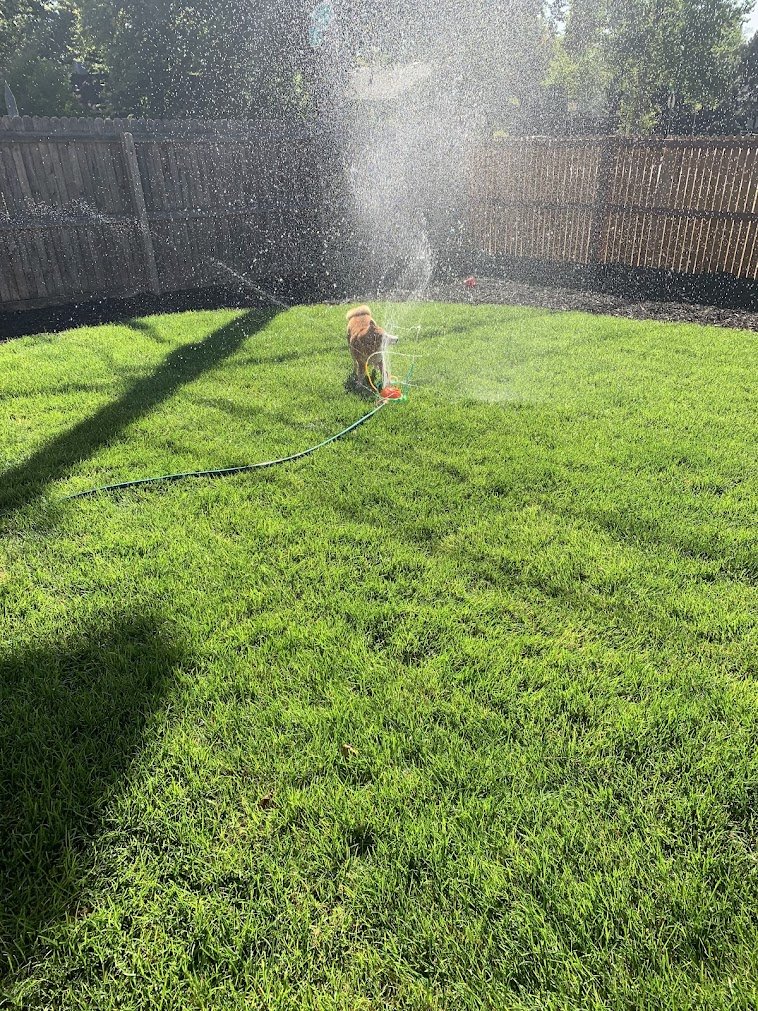
Every spring, I tell my clients the same thing: turn your system on and watch it run for one full cycle. Don't go inside. Just watch.
You're looking for:
Leaks at the head or along the line
Overspray hitting your driveway, sidewalk, fence, or street (all wasted water)
Raised beds running on spray heads instead of drip (this is one of the most common mistakes I see)
Zones running longer than they need to
Even one leaky head or one zone pointed the wrong direction can add up to hundreds of gallons over a season. Fix it now, before the drought charges kick in.
The Most Common Watering Mistake Denver Gardeners Make
Over-watering. By a lot.
I know that feels counterintuitive in a dry climate... shouldn't we be watering more? But Denver's intense sunshine, low humidity, and wind create the illusion that soil is drier than it actually is at the root zone. Most people are watering the surface without giving the water time to penetrate.
The shift that makes a real difference: water deeply and less frequently.
Deep, infrequent watering trains roots to grow downward, where moisture actually stays, instead of hovering at the surface where it evaporates fast. For most Denver raised beds, that means watering thoroughly every 2–3 days in summer heat rather than a quick daily misting.
A simple test: stick your finger 2 inches into your soil. If it's still damp, don't water. If it's dry at that depth, water slowly and deeply until the soil is saturated a full 6 inches down.
Read Next: Raised Beds: Why they Work for Denver
The Small Shifts That Make a Big Difference: Mulch, Drip, and Timing
Mulch is non-negotiable in Denver this year
A 2–3 inch layer of organic mulch (straw, wood chips, or shredded leaves) does several things at once: it holds moisture in the soil, insulates roots from temperature swings, suppresses weeds that compete for water, and slowly feeds your soil as it breaks down.
In our semi-arid climate with intense afternoon sun, unmulched soil can lose a significant amount of surface moisture to evaporation before it ever reaches the root zone. Mulch closes that gap. It's the single easiest, lowest-cost thing you can do to water less and grow more.
Drip irrigation for raised beds, not spray
If your raised beds are on a spray head zone, that's worth changing. Spray irrigation puts water on leaves (which can encourage disease), loses a significant amount to evaporation before it hits soil, and covers areas where nothing is growing.
Drip delivers water directly to the root zone, slowly, where it actually gets absorbed. It's more efficient, more targeted, and significantly reduces water use in a bed the same size.
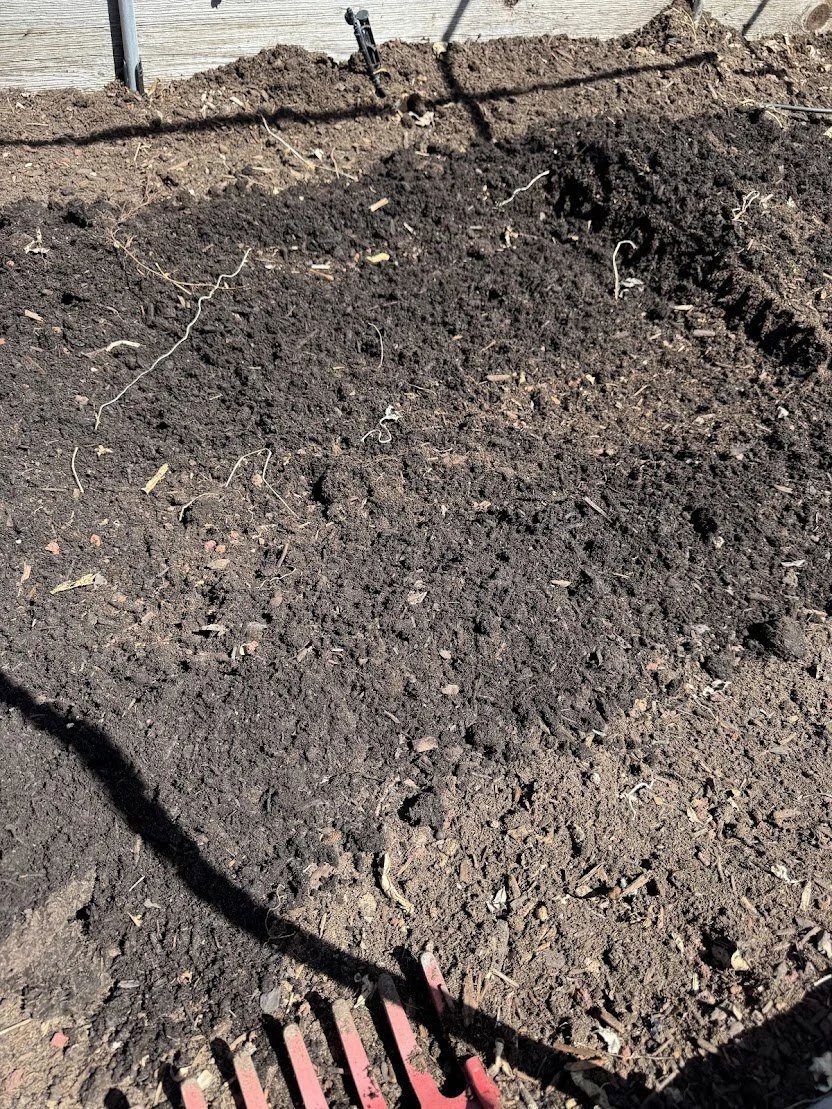
If a full drip conversion isn't in the budget right now, soaker hoses are a great middle ground and easy to set up yourself.
Water at the right time of day
Early morning is best, before the heat of the day kicks in and before Denver's afternoon winds pick up. Evening watering works too, but it can leave foliage damp overnight, which invites fungal issues.
Midday watering in Colorado? Most of it evaporates before it reaches roots. Save it for emergencies.
Watering Raised Beds Efficiently in Denver: What to Know
Raised beds in Denver have a few characteristics that affect how you water:
They drain faster than in-ground beds, which is great for root health but means they need water more consistently during heat waves
The soil quality matters enormously. A well-amended mix (compost-rich, not compacted) absorbs and holds water far better than straight topsoil
Smaller beds dry out faster than larger ones, especially if they're in full sun
Intensive planting (where plants are closer together) naturally shades the soil and reduces evaporation, a design choice that saves water while increasing yields
If you're hand-watering your kitchen garden, you're actually doing something right. You're paying attention. Just make sure you're watering slowly and at the base of plants, not sprinkling the tops.
Two Soil Issues That Quietly Waste Water in Denver Gardens
This is the stuff most people don't know about until something goes wrong. Both are really common here in Colorado, and both are easy to fix once you know what to look for.
Hydrophobic soil: when water refuses to soak in
Ever water your bed and watch the water just sit there on top, pooling instead of soaking in? That's hydrophobic soil, and it happens when beds dry out completely between waterings. The soil essentially becomes water-repellent.
The fix: water slowly and mix lightly as you go, helping moisture start to penetrate before you add more. Starting with slightly moist soil (not bone dry) makes a real difference, which is another reason why deep, consistent watering beats letting beds completely dry out between sessions.
Texture interface: the invisible barrier in your bed
This one is sneaky. If you've ever added compost or fresh soil on top of your existing bed without mixing it in, you may have created what's called a texture interface — a boundary layer between two different soil materials where water hesitates to travel.
In plain terms, the soil says "that's different over there" and water stops moving the way it should. Roots hesitate too.
The fix is simple: any time you're topping off beds or adding amendments, mix that material into the top couple of inches rather than leaving it as a separate layer sitting on top. It takes five extra minutes and makes a significant difference in how evenly your bed holds and distributes water.
Both of these topics are covered in more depth in our Healthy Kitchen Garden Soil: The Complete Guide for Denver Gardeners if you want to dig in further.
Your Water-Smart Garden Checklist for This Season
Run a full sprinkler audit, watching every zone for leaks, overspray, or misdirected heads
Switch raised beds to drip or soaker hose if they're currently on spray
Dial back run time and days, most systems are running longer than needed
Mulch all exposed soil in beds, 2 to 3 inches of organic material
Water early morning when possible
Do the 2-inch finger test before watering. If it's damp, wait
If water is pooling on top instead of soaking in, slow down and mix lightly as you go
When topping off beds, mix amendments into the top couple of inches instead of leaving a separate layer
Check the Denver Water website for current drought stage and any watering day restrictions
A Note on This Season
A water-smart garden isn't a compromise. It's just a smarter system. And in Denver, with our altitude, our wind, our intense sun, and now our drought surcharges, building that system isn't optional anymore. It's just good gardening.
If you have a kitchen garden or raised beds, you are already ahead. You just need to fine-tune the approach. Your plants will thrive, your soil will thank you, and your water bill will reflect it.
Save this post and share it with a neighbor who still has their system set to April. 💚
P.S. If you're already thinking ahead to next season, or you'd love to have a system where your garden is planned, cared for, and watered properly without you managing every decision... that's exactly what Garden Care Concierge is. I'm currently wrapping up spots for this season, but if you're curious about future availability, feel free to reach out and I'll be in touch.
Give Your Garden the Best Start This Year!
Whether you’re starting from scratch or you’re a garden pro, let us support you in your garden this season. We’ve got something for everyone!
🌱 Want to learn exactly what to grow (and when) in Denver?
Check out our Denver Growing Guide for in-depth advice, planting tips, and planning strategies! Let’s start planning your best garden yet.
🌱 Need help designing a garden that works for YOU?
We offer consultations, custom garden and landscape designs, and maintenance packages. Sign up for a consultation today and let’s create a space that nurtures both your plants and your well-being.
Have questions or want to share your gardening success stories?
Drop a comment below, or reach out through our Contact Page!
Check out our free resources or services!

Save this Blog on Pinterest!


**This post may contain affiliate links, which means I earn a small profit if you click on the link to make a purchase. Other links are not sponsored, because I also like supporting small, local businesses.**

Meet the Gardener
I’m Elisa Mack - a mom and Denverite who went from being a green-ish thumb to a kitchen garden fanatic simply by dedicating myself to the study of all things Colorado gardening.
Landscapers don’t design. And nurseries don’t make house calls.
We take a more full-service approach, from designing your dream garden to keeping it beautiful year-round.
And as your coach, I’ll help eliminate the guesswork through every season, no matter your level of knowledge.